Auto Headlight Correction in Buford, GA
Auto Headlight Correction
Auto Headlight Correction in Buford, GA is a professional service focused on restoring clarity and function to headlights that have slowly degraded over time. Headlights rarely “go bad” overnight. What usually happens is more subtle. UV exposure, road debris, oxidation, and years of improper washing gradually break down the protective surface of the lens.
At first, it’s barely noticeable. A little haze. Slight yellowing. Then night driving feels different. Less sharp. Less confident. That loss of clarity isn’t just cosmetic—it directly affects how well the headlights project light and how clearly you can see the road ahead.
Headlight correction addresses that problem at the source. Not by masking it. Not by wiping it down. By restoring the lens itself.
At Aim High Detailing, headlight correction is treated as a corrective process, not a quick add-on. The work is deliberate, material-specific, and designed to deliver real improvement you can see and actually use.
What Headlight Correction Really Is
Headlight correction is the controlled restoration of the headlight lens surface. Most modern headlights are made from polycarbonate plastic. It’s durable, lightweight, and impact-resistant—but it’s also vulnerable to UV damage once the factory protective coating begins to fail.
As that coating breaks down, oxidation forms on the surface. Micro-pitting develops. Light gets scattered instead of projected forward. That’s when headlights start to look cloudy or yellowed.
Headlight restoration removes that damaged outer layer and refines the surface back to clarity. This isn’t the same as a headlight cleaning service or a temporary wipe-on product. True headlight correction physically restores the lens and prepares it for long-term protection.
Auto headlight restoration focuses on the lens itself. Not the bulb. Not the housing. When done properly, it improves appearance and nighttime visibility in a very noticeable way.
Why Headlights Lose Clarity Over Time
Headlight oxidation is gradual. Most drivers don’t notice it until it’s well underway.
Common contributors include:
Constant UV exposure
Road debris and fine abrasion
Automatic car washes
Harsh or improper cleaning chemicals
Environmental fallout and pollution
As oxidation builds, the lens stops transmitting light evenly. The headlights may still turn on, but the beam becomes dull or uneven. That’s usually when drivers start questioning whether the bulbs are failing.
In most cases, the issue isn’t the bulb at all.
Headlight oxidation removal corrects the surface so light can pass through the lens the way it was designed to.
How the Headlight Correction Process Works
Headlight correction follows a structured process. This is usually where people run into problems—when steps are skipped or rushed.
Initial Assessment
Each headlight is inspected for oxidation severity, pitting, surface scratches, and signs of previous repair attempts. This determines how aggressive—or how restrained—the correction needs to be.
Not all headlights should be treated the same way. Responsible correction balances improvement with lens longevity.
Surface Preparation
Before any correction begins, the lens is thoroughly cleaned to remove surface contaminants. This prevents debris from being dragged across the lens during restoration.
Small detail. Big difference.
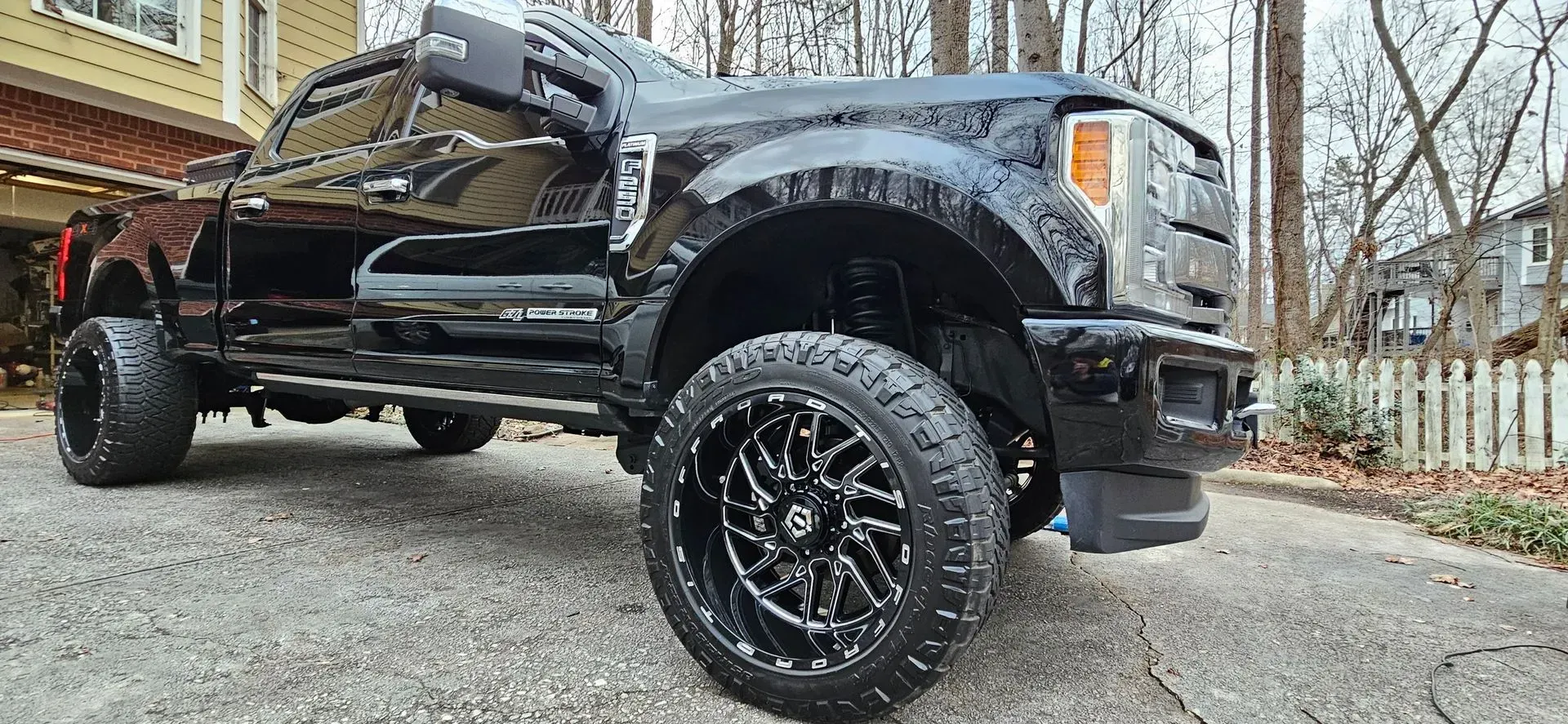
Controlled Abrasion and Refinement
Damaged layers are removed gradually using progressive refinement steps. This levels oxidation, yellowing, and surface defects while restoring optical clarity.
Headlight lens restoration isn’t rushed. Over-correction weakens the lens. Under-correction leaves haze behind. Experience matters here.
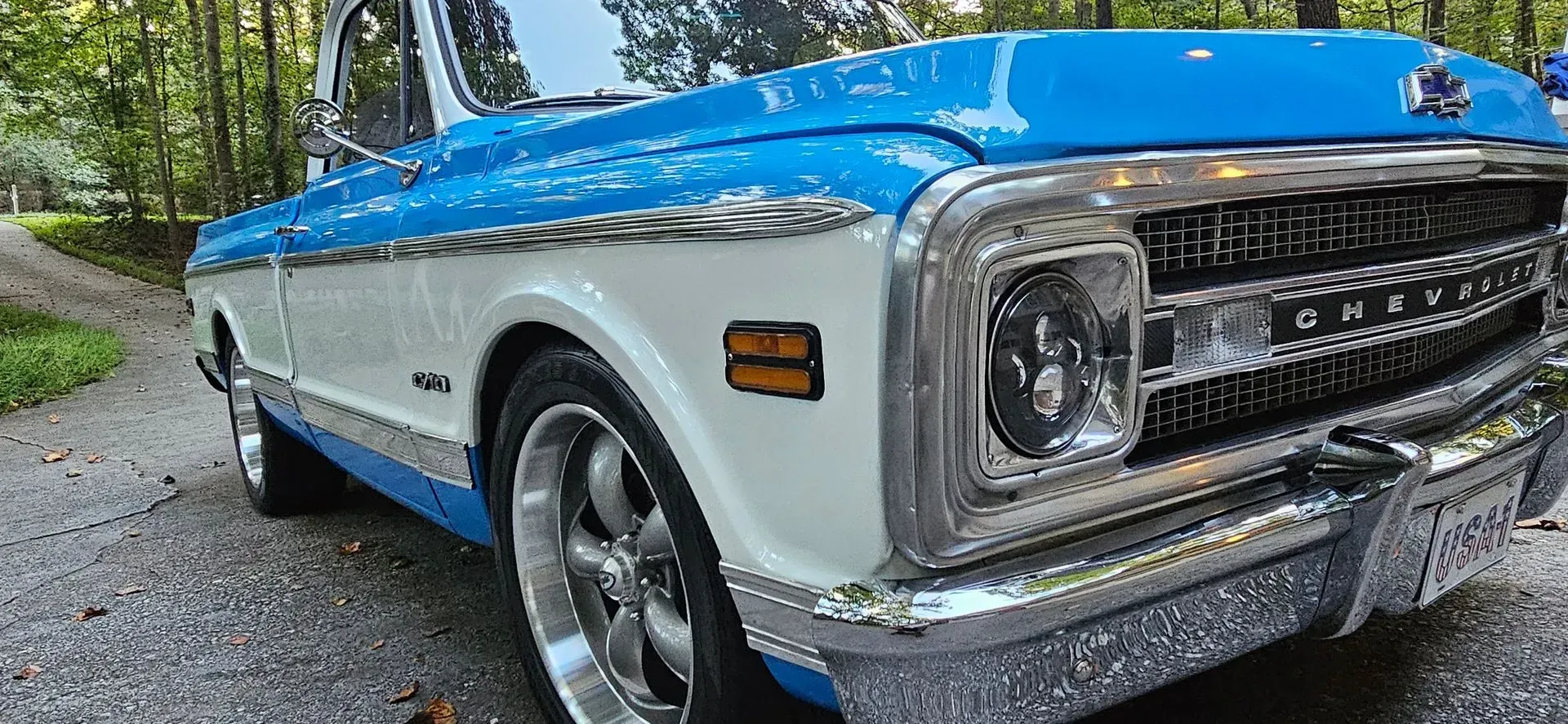
Polishing and Optical Clarity
Once oxidation is removed, the lens is refined and polished to restore transparency and even light transmission.
This is the point where headlights stop looking “better” and start looking clear again.
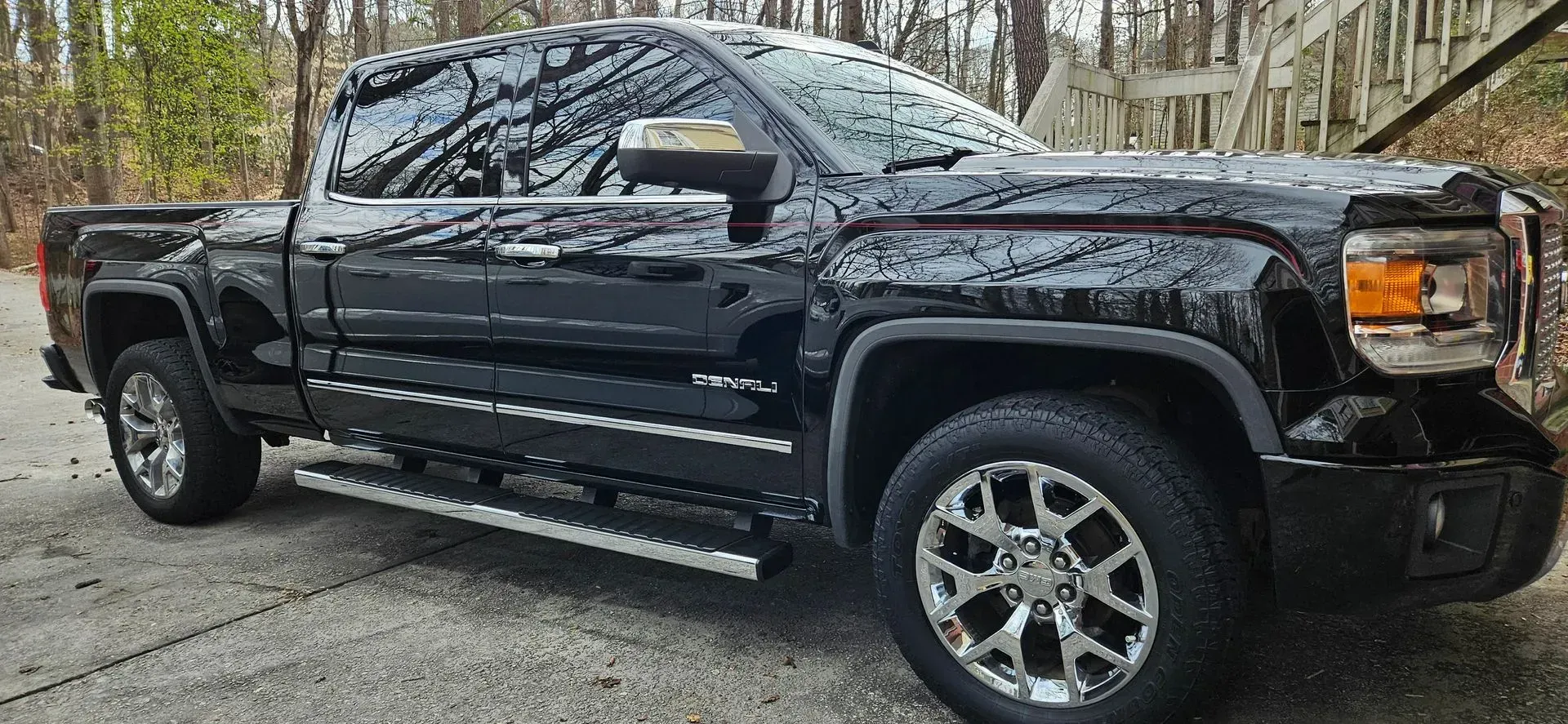
Protection Application
After correction, a protective layer is applied to slow future oxidation. Without protection, the lens will degrade again—often faster than before.
This step is essential for lasting results.
Headlight Correction vs. Basic Headlight Cleaning
A headlight cleaning service improves appearance temporarily.
Headlight correction restores the lens.
Cleaning removes dirt. Correction removes damage.
Many drivers try wipes, sprays, or DIY kits first. They work briefly, then fade. That’s because they don’t remove oxidation. They hide it.
Auto headlight correction fixes the material itself.
Benefits of Professional Headlight Correction
Headlight correction delivers more than cosmetic improvement.
Better Nighttime Visibility
Clear lenses allow light to project forward properly, improving road visibility and reaction time in low-light conditions.
Improved Front-End Appearance
Cloudy headlights age a vehicle fast. Clear lenses instantly sharpen the front end—even on otherwise well-maintained cars.
Safer Driving Conditions
Restored headlights improve beam consistency and brightness, helping drivers see hazards sooner and be more visible to others.
Practical Alternative to Replacement
Car headlight restoration is often far more practical than replacing entire assemblies, especially when the housing and bulbs are still in good condition.
Slower Future Degradation
When protected correctly, corrected headlights resist oxidation longer than untreated lenses.
Who Auto Headlight Correction Is For
Headlight correction is a good fit for:
Vehicles with cloudy or yellowed headlights
Drivers struggling with night visibility
Owners preparing for resale or inspections
Vehicles with failing or discolored protective film
Anyone who wants restored clarity without replacement costs
Headlight film removal may be recommended when old film has yellowed or degraded and is contributing to poor visibility.
Common Situations Where Headlight Correction Makes Sense
Headlight correction is often recommended:
When headlights look dull even after washing
Before safety or emissions inspections
After removing old headlight film
When night driving feels harder than it used to
Before selling or trading a vehicle
Headlights don’t suddenly fail. They fade.
Correction reverses that process.
Why Professional Headlight Restoration Matters
Improper headlight restoration often causes more harm than good.
At Aim High Detailing, auto headlight correction is performed with restraint and material awareness. The goal is meaningful improvement without compromising the lens itself.
Over-aggressive sanding, poor polishing technique, or skipping protection leads to:
Rapid re-oxidation
Uneven clarity
Permanent lens damage
Shortened headlight lifespan
Long-Term Value of Headlight Correction
Headlight correction supports long-term ownership by restoring safety and appearance without unnecessary replacement. Properly corrected and protected headlights maintain clarity longer and degrade more predictably.
For drivers planning to keep their vehicle, headlight correction is one of the most noticeable improvements with the least disruption.
Areas We Serve
Aim High Detailing provides interior detailing services for vehicle owners in Buford, GA, as well as Gainesville, Braselton, Lawrenceville, Johns Creek, Suwanee, Hoschton, Flowery Branch, Oakwood, and Cumming.
Schedule a Consultation
If your headlights have lost clarity and you want a solution that restores performance—not just appearance—a consultation is the right next step. Aim High Detailing will evaluate your headlights, explain realistic outcomes, and perform headlight correction with care, precision, and long-term results in mind.
Frequently Asked Questions
When should headlight correction be done?
When headlights appear cloudy, yellowed, or dim even after cleaning, correction is usually the right solution.
Is headlight restoration permanent?
Results are long-lasting when protection is applied, but headlights remain exposed to the environment and will need maintenance over time.
Does headlight correction improve brightness?
Yes. Restoring lens clarity allows light to project more effectively, improving nighttime visibility.
What affects the scope of headlight correction?
Oxidation severity, pitting, prior repair attempts, and overall lens condition all influence the process.
Can headlight correction remove scratches?
Light surface scratches can often be reduced or removed. Deep damage may be improved but not completely eliminated.