Car Engine Detailing in Buford, GA
Car Engine Detailing
Car Engine Detailing in Buford, GA is a professional service focused on safely cleaning and restoring the engine bay without putting sensitive components at risk. Under the hood, buildup happens quietly. Dust, oil residue, road grime, and environmental fallout collect in corners and seams most owners never look at—until a leak shows up or a technician needs to inspect something.
Engine detailing isn’t about making the engine look flashy. It’s about controlled cleaning, better visibility, and long-term care. When done correctly, engine detailing makes routine maintenance easier and helps issues get spotted earlier. When done poorly, it creates problems that weren’t there before. Electrical faults. Moisture intrusion. Premature wear.
The difference comes down to method.
At Aim High Detailing, engine detailing is treated as technical work. Every step is intentional. Water use is limited and controlled. Products are chosen for compatibility, not strength. The goal is a clean, well-maintained engine bay that doesn’t come with consequences later.
What Engine Detailing Actually Involves
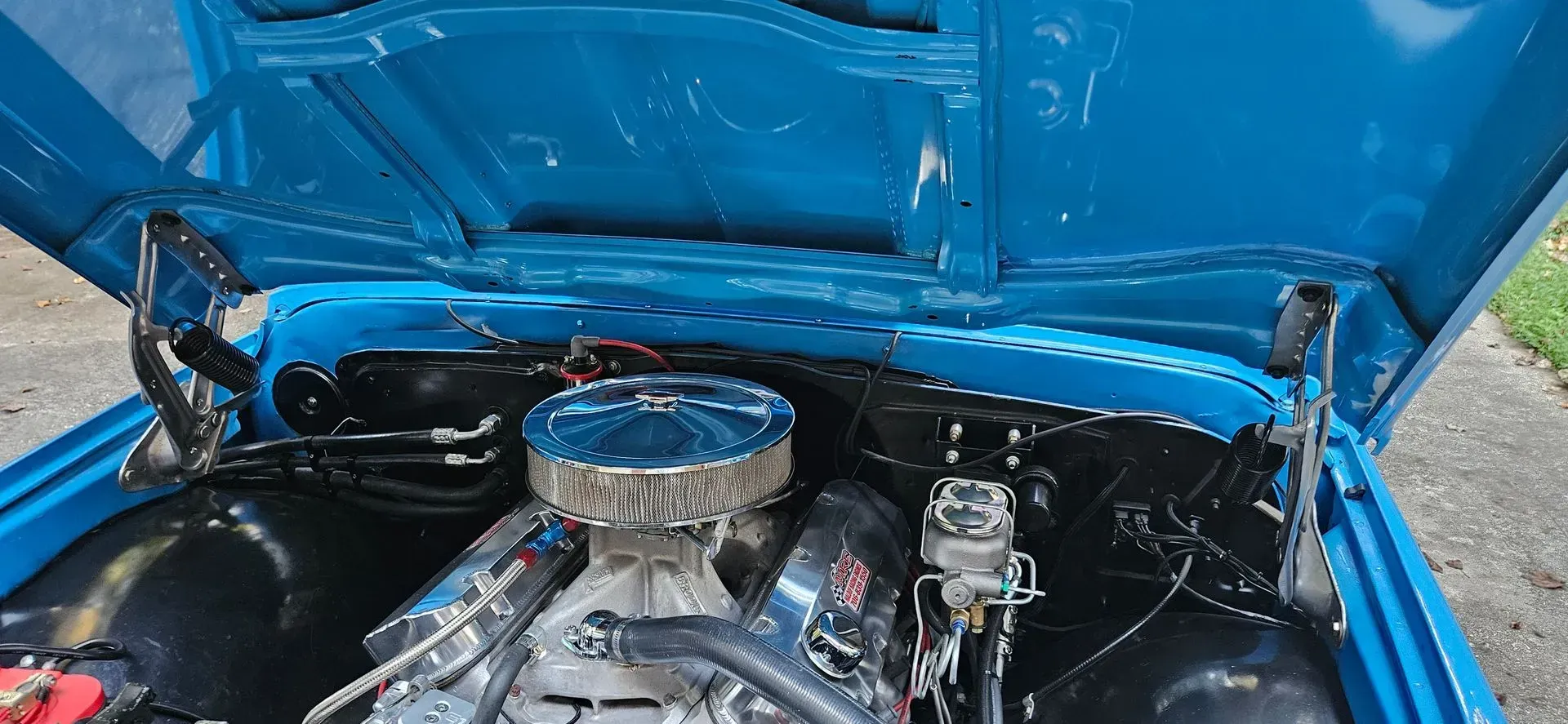
Engine detailing is the careful cleaning and conditioning of the engine bay and surrounding components. That includes visible engine parts, hoses, plastic covers, brackets, metal components, and inner fender areas where grime tends to build up unnoticed.
Car engine detailing is not the same thing as spraying an engine with degreaser and water. Modern vehicles are packed with sensors, wiring harnesses, connectors, and electronic modules that require awareness and restraint during cleaning. Professional engine detailing works around those realities instead of ignoring them.
Automobile engine cleaning focuses on removing oil residue, dust, and buildup while preserving rubber seals, plastics, wiring, and finishes. The end result should look clean and intentional—not soaked, overly shiny, or artificially dressed.
How the Engine Detailing Process Works
A proper engine detail follows a structured process. This is usually where people run into problems—when steps are skipped or rushed.
Inspection and Preparation
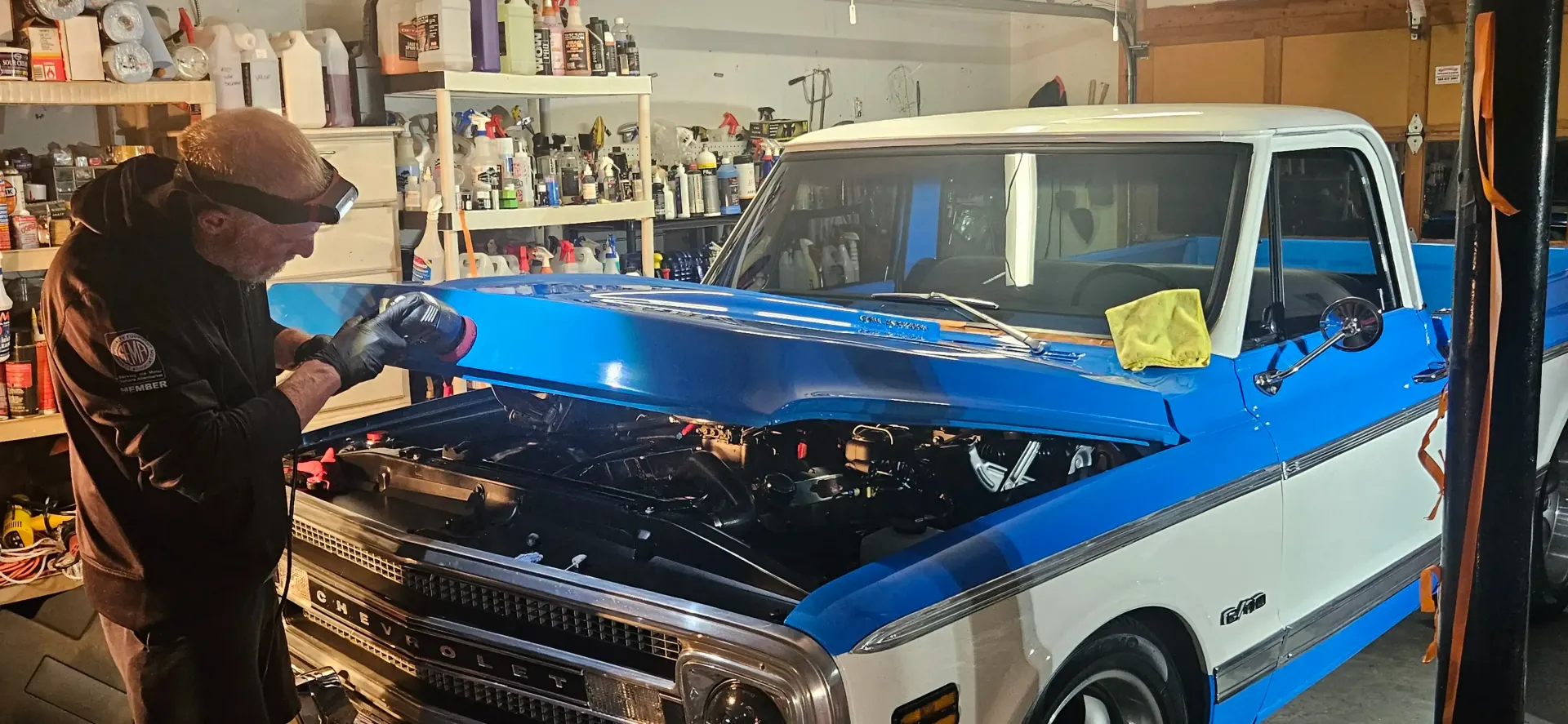
Every engine bay starts with an inspection. Component layout, buildup level, exposed electronics, and areas of concern are identified before any cleaning begins.
This determines how aggressive the process can be and where extra caution is needed. Not all engines are the same, and not all grime should be attacked the same way.
Controlled Degreasing and Cleaning
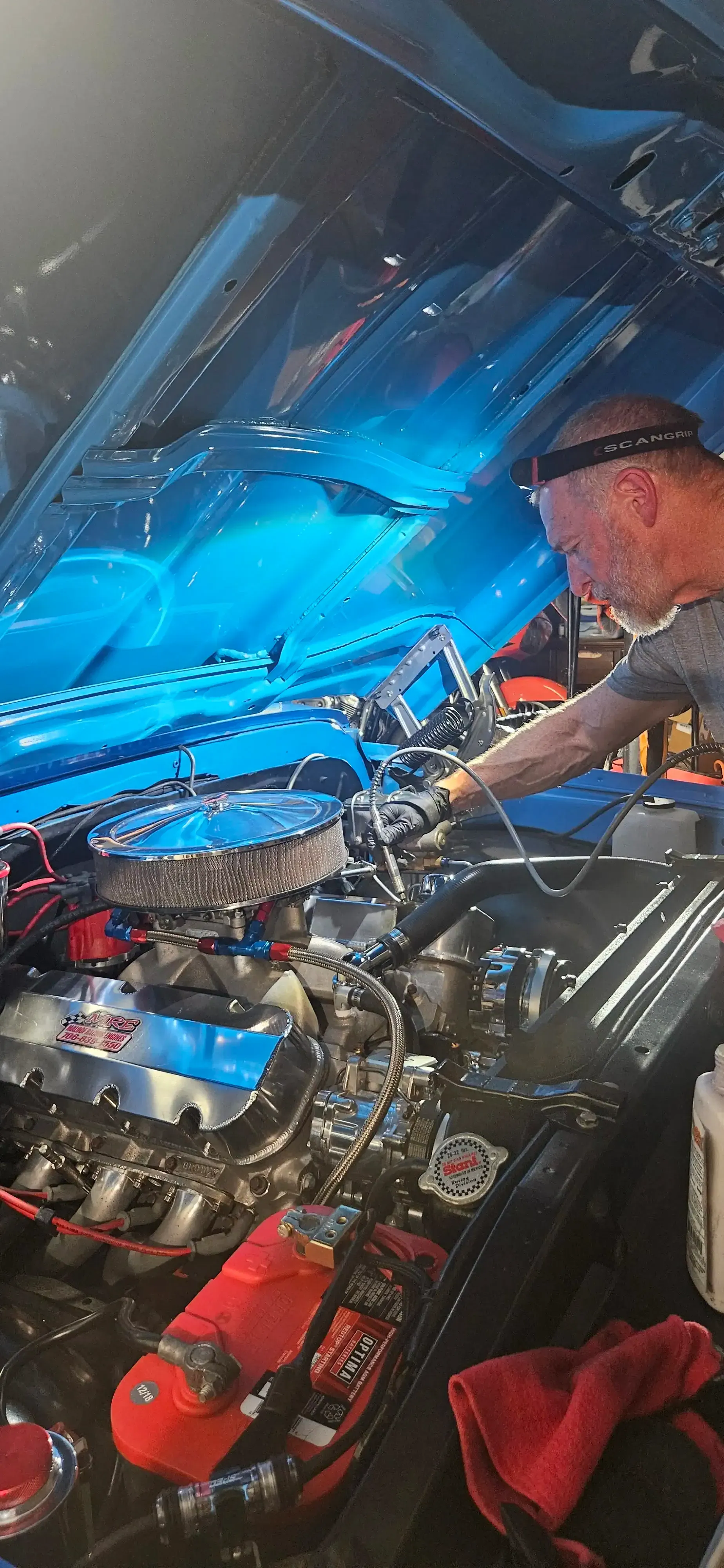
Targeted cleaners are applied selectively to areas with oil residue, grease, and heavy buildup. The objective is to loosen contamination without flooding the engine bay or stressing sensitive components.
Engine cleaning near me searches often come from owners worried about water damage. That concern is justified. Controlled application is the difference between safe cleaning and expensive mistakes.
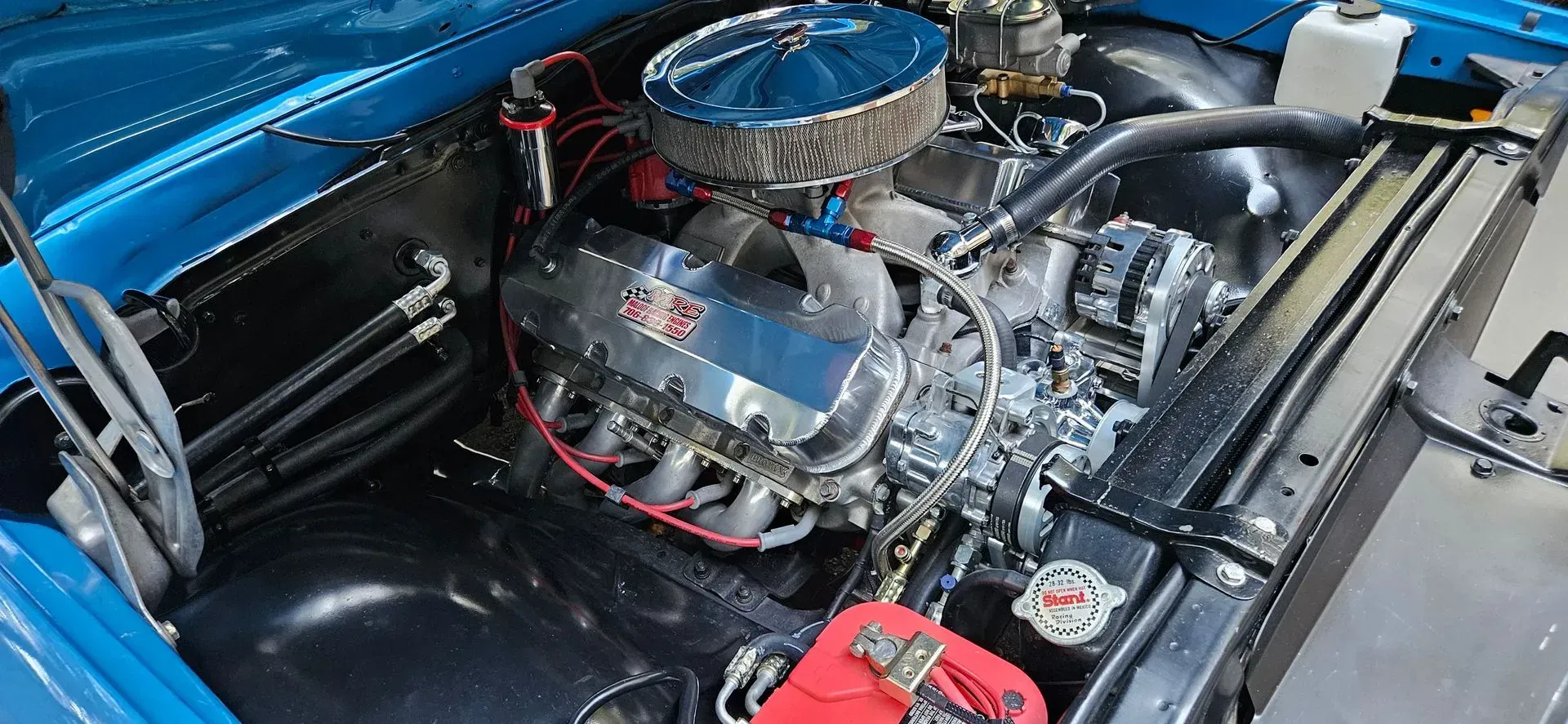
Agitation and Detail Work
Once buildup is loosened, detailing brushes and tools are used to clean tight spaces, seams, brackets, and crevices. This step is slow on purpose. Rushing spreads contamination instead of removing it.
Car engine cleaning requires patience. Technique matters, but timing matters just as much.
Rinsing With Restraint
Residue is removed using low-pressure, controlled rinsing methods. This is not a high-pressure engine wash.
Engine wash near me services often rely on force. Professional engine detailing relies on control.
Drying and Surface Protection
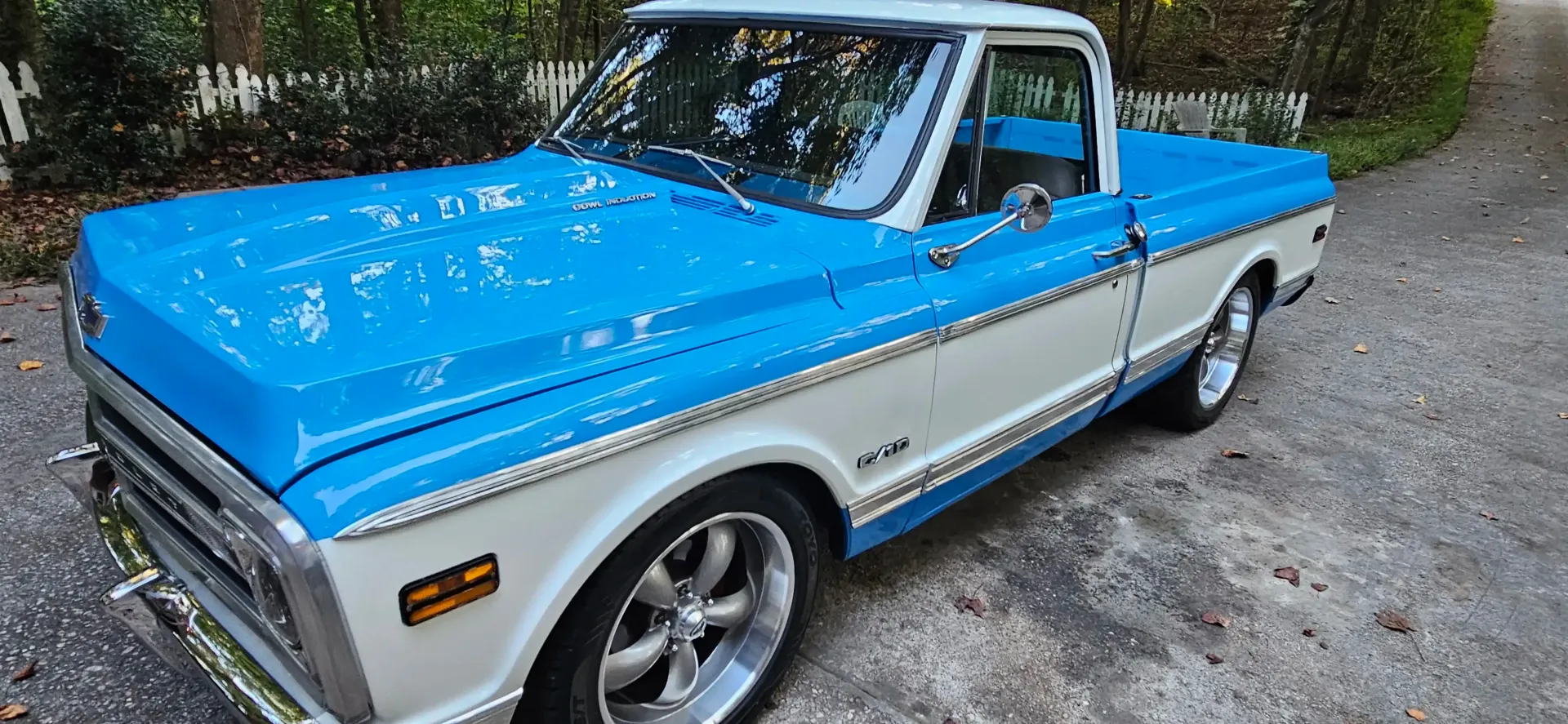
After cleaning, the engine bay is dried thoroughly to prevent moisture-related issues. Plastic and rubber components may be lightly conditioned to restore a clean, natural appearance.
The goal isn’t shine. It’s preservation.
Engine Steam Cleaning and Modern Techniques
In some situations, engine steam cleaning or an engine steam wash may be appropriate. Steam allows effective cleaning with minimal moisture, which can be useful around sensitive areas.
Vehicle engine cleaning methods are chosen based on engine design, buildup severity, and accessibility. There is no single method that works for every engine bay. Knowing when to use steam, when to use targeted cleaners, and when to leave an area alone comes from experience—not guesswork.
Benefits of Professional Engine Detailing
Engine detailing offers real, practical benefits beyond looks.
Easier Maintenance and Inspection
A clean engine bay makes leaks, worn hoses, loose connections, and developing issues easier to spot—before they turn into expensive repairs.
Greater Confidence Under the Hood
Opening the hood to a clean engine bay tells a clear story: the vehicle is cared for. That matters during service visits, inspections, or resale conversations.
Slower Future Buildup
Removing oil residue and grime helps slow future accumulation. Clean surfaces don’t trap contaminants as easily.
Protection of Sensitive Components
Proper automobile engine cleaning preserves rubber, plastic, and wiring by removing corrosive buildup and avoiding harsh treatment.
Professional Presentation
For owners preparing to sell, trade, or showcase a vehicle, engine detailing adds credibility without going overboard.
Why Engine Detailing Is Different From a Basic Engine Wash
A basic engine wash prioritizes speed and appearance. Engine detailing prioritizes safety and longevity.
Spraying an engine with water and degreaser may make it look cleaner temporarily, but it often pushes contaminants into connectors, damages insulation, or traps moisture where it doesn’t belong.
Auto engine cleaning done correctly removes buildup without creating new problems. That’s why professional engine detailing exists in the first place
Who Engine Detailing Is Best For
Engine detailing is a good fit for:
Owners planning to keep their vehicle long-term
Vehicles with visible oil or grime buildup
Drivers preparing for resale or inspection
Enthusiasts who care about complete vehicle condition
Anyone who wants safer, cleaner under-hood maintenance
Engine cleaning isn’t about vanity. It’s about responsible ownership.
Common Situations Where Engine Detailing Makes Sense
Engine detailing is often recommended:
After years of normal driving buildup
Before selling or trading a vehicle
Following oil leaks or mechanical repairs
Prior to inspections or diagnostics
When opening the hood feels overdue
Most engine bays don’t get dirty all at once. They accumulate slowly. Engine detailing resets that condition.
Why Professional Engine Cleaning Matters
Modern engines are complex. Sensors, wiring looms, plastic covers, and electronic modules don’t tolerate guesswork.
Over-wetting, aggressive chemicals, or high-pressure rinsing can cause issues that don’t show up immediately. That’s why professional engine detailing focuses as much on what not to do as what to do.
At Aim High Detailing, engine bays are cleaned with restraint and awareness. Every step is chosen to reduce risk while delivering meaningful results.
Long-Term Value of Engine Detailing
Engine detailing supports long-term ownership by making maintenance easier and preventing hidden buildup from causing problems later. Clean engine bays are easier to inspect, easier to work on, and easier to keep clean over time.
Vehicle engine cleaning isn’t a one-time fix. It’s part of a broader care mindset that values prevention over repair.
Areas We Serve
Aim High Detailing provides interior detailing services for vehicle owners in Buford, GA, as well as Gainesville, Braselton, Lawrenceville, Johns Creek, Suwanee, Hoschton, Flowery Branch, Oakwood, and Cumming.
Schedule a Consultation
If your engine bay needs attention and you want it cleaned safely—not rushed—a consultation is the right next step. Aim High Detailing will assess your engine bay, explain what can realistically be improved, and perform engine detailing with care, precision, and long-term reliability in mind.
Frequently Asked Questions
Is engine detailing safe for modern vehicles?
Yes, when done properly. Professional engine detailing uses controlled methods designed to protect electronics, sensors, and wiring.
How often should an engine bay be detailed?
Most vehicles benefit from periodic engine detailing, especially if they’re driven regularly or exposed to oil residue, dust, or road grime.
Does engine detailing involve high-pressure washing?
No. Professional engine detailing avoids high-pressure washing to prevent water intrusion and component damage.
What affects the scope of engine detailing?
Engine design, buildup level, accessibility, and prior cleaning attempts all influence the process.
Will engine detailing improve performance?
Engine detailing improves cleanliness and inspection visibility, but it doesn’t directly change engine performance.